



Petr Jandejsek
Vulnerability in a Theological-Anthropological Perspective
The introductory study of the whole issue outlines the theme of fragility as an up-to-date theological topic, developed especially by authors from currents that can be roughly understood as offshoots of liberation theology, including feminist theology and disability studies. According to the author, theology can reflect two aspects of human fragility. Firstly, it reminds us that we have only a limited degree of control over our own development. And secondly, it returns us to trust in the promise of God’s help so that we may persevere and continue in good, and also in the effort to change social structures that deepen the fragility of the world, hindering human flourishing. This soteriological-critical approach is also found in the work of Pope Francis. The author recalls the influence of social structures on human development, which was systematically elaborated by theologian Kenneth Mtata, a representative of the World Council of Churches, based on the OECD’s 2022 definition of fragility. Furthermore, the unique contribution of theologians working in the field of disability studies is highlighted, reflecting on God revealing himself in people who are wounded, dependent on others, people with mental and physical disabilities, or mental illness. Thus, the study repeatedly returns to the assertion that life with fragility and in a fragile world presupposes and requires community with other people – “fragility as richness” directly calls for the formation of community and presents it as a spiritual task.
Jan-Olav Henriksen
Embodied, Relational, Desiring, Vulnerable – Reconsidering Imago Dei
God is always experienced in the mode of representations. The fundamental representation of God is Jesus Christ, the true image of God. In order to specify this designation further, with reference to all of humanity, it is suggested that the basic features of such representation can be identified in the features of desire and vulnerability, as manifestations of interconnectedness and dependence. These features are not only expressing themselves as that with which humans need to come to terms, but they also manifest the deeply relational character of humanity and its internal connection to goodness. They also make it possible to specify further how God and the human being are intrinsically connected, and make it possible to see why love is so important in the realization of imago Dei: It is love that secures that both desire and vulnerability can contribute to human flourishing, and thus precludes sin from manifesting itself.
Alicia Besa Panganiban
Theology of Resilience Amidst Vulnerability in the Book of Ruth
This article explores Ruth’s theology of resilience amidst vulnerability: a resilience rooted in ḥesed (loving kindness, a generosity beyond the call of duty). Ḥesed is a powerful social force that could address current issues for those both in privileged positions and in vulnerable situations. A rereading of Ruth offers modern theologians and serious students of the Bible pathways towards building resilience amidst vulnerability, and in caring for those in vulnerable positions. The text at hand offers a pathway to be true to one’s core values and character, even amidst desperate situations. In Ruth resilience is developed by caring for others, identifying with a particular faith community, and taking initiatives while maintaining integrity. The narrative unveils a sustainable life of resilience that happens when one’s private and public life is lived congruently to each other. This article also reads Ruth’s narrative through a lens of a minority foreign woman that uses feminist and postcolonial approaches while looking at Ruth through a hermeneutic of trust. First, the author identifies her assumptions and considerations. Secondly, the article examines resilience as rooted in one’s identity and explores ḥesed under cultural and spiritual frameworks, within the narrative of Ruth and Naomi’s Road scene from Moab to Bethlehem. Lastly, it examines resilience as rooted in ḥesed, within the narrative of the threshing floor scene encounter between Ruth and Boaz. The road and threshing floor scenes are decisive moments for Ruth. Her words and actions in each instance reveal her resilience: her strength of mind, emotion, and spirit, in spite of her vulnerability.
Fragility of “Snowflakes” Mirrors Also Our Own Fear
An Interview with Psychotherapist Johana Růžková
This interview with a psychotherapist, who primarily works with traumatised or troubled young people and also has experience with socially excluded, addicted, and homeless clients, discusses the place of fragility in psychotherapy, the goals of therapy, and how therapists must care for themselves to manage the demands of their profession. It delves into the topic of trauma, the reputedly increased fragility of contemporary young people, building resilience, and the fallacy of the idea that past generations were better off.
Gabriela Ďurašková – Pavel Pola OCD
Fragility and Vulnerability Also as an Opportunity for Growth
The study examines an age-old experience that often it is only through endured hardships, pain, and exhausting struggles that a hero/person can gain or find something: wisdom, important knowledge, true love, an entrusted kingdom. Although the possibility of growth, maturation, or positive change through suffering has been explored from time out of mind by art, philosophy, and religion, the systematic interest of humanities scholars in this phenomenon is relatively new, dating back to the period after World War II, especially in connection with the figure of psychologist Viktor E. Frankl. The authors analyse forms of life and spiritual crises and focus on the subsequent opportunities for growth on a spiritual level. They draw on V. Frankl, as well as the Romanian Orthodox author Nicolae Steinhardt and St. Thérèse of Lisieux. They point out that it is neither automatic nor self-evident that difficult events will always initiate a process of growth and development within us. On the contrary, after difficult events, the development of symptoms of post-traumatic stress disorder can occur (and often does initially). It is always a unique and individual process.
Marek Drábek OPraem
You Shall Not Take Power of the Lord Your God in Vain
The author, a leading expert on the issue of abuse, begins by defining vulnerability, particularly the vulnerability of specific groups of people. He then delves into vulnerability within professional helping relationships, which includes the relationship with a cleric. He describes the exceptional position of the clerics and the danger of overlooking the fact that they too can make mistakes. Within the church environment, he highlights the specific issue of role blending (e.g. priest, confessor, employee, family friend, etc.). Furthermore, he addresses spiritual abuse and its various forms. Finally, he concludes that it is necessary to tell stories also about how power has been abused by clerics, and he reminds us that the goal of spiritual accompaniment and indeed the pastoral activity of the church should be to foster individuals who are spiritually mature, independent, capable of taking responsibility for their decisions before God, and thus less susceptible to manipulation and abuse by clerics.
Matěj Jirsa
How Christianity Can Be Harmful (Not Only) to Young People
In this essay, the author explores the question of whether any aspects within Christianity itself can cause harm to individuals and distort their humanity. He suggests that while Christianity can be a source of support for individuals, in some cases it can also unwittingly damage a person’s psychological well-being and become a burden. Therefore, the role of the Church, its clergy, and those who allow religion to permeate their lives is to demystify the pathological traits of religion and, conversely, to promote what can contribute to a person’s healthy development. The author illustrates this through several insights: Christianity that instils guilt, causes anxiety, and undermines self-confidence; Christianity that leads to passivity and an evasion of real problem-solving; Christianity that denies fundamental human needs; Christianity that diverts a person from the present moment and from inner motivation. The essay concludes by addressing the undeniable positive influences of Christianity on a person’s maturation.
Ondřej Fafejta
Highly Sensitive People in the Church, a Sensitive Church
A psychotherapist specialising in High Sensitivity provides a concise introduction to the phenomenon, presenting it within the context of health, societal development, and individual human development. Then he moves to the relationship between high sensitivity and spirituality, introducing a more systematic exploration of the connection between high sensitivity and spirituality/religiosity which has been since 2021 the focus of a Czech team at the Social Health Institute (OUSHI), part of Sts Cyril and Methodius Faculty of Theology at Palacký University in Olomouc. Czech research concludes that highly sensitive individuals have stronger spiritual/religious needs, though this doesn’t necessarily manifest as a need to attend church. The research also confirms that highly sensitive people are more prone to mental health difficulties. The study concludes by considering when the church demonstrates sensitivity, and indeed, whether it should be an environment characterised by sensitivity.
Martin Bedřich
Fragile vessels
The author explores the biblical image of human being as a fragile earthen vessel. Then he focuses primarily to logion 97 from the apocryphal Gospel of Thomas, which narrates the parable of a woman carrying a cracked earthen vessel. The text analyses the wide range of possible interpretations of this parable as discussed in academic literature, and on this basis, defines the key building blocks of the logion. Without offering a definitive interpretation, the author uses the context of other early Christian literature to highlight the significance of emptiness, letting go, and self-emptying, which are related to the fundamental human experience of fragility and vulnerability.
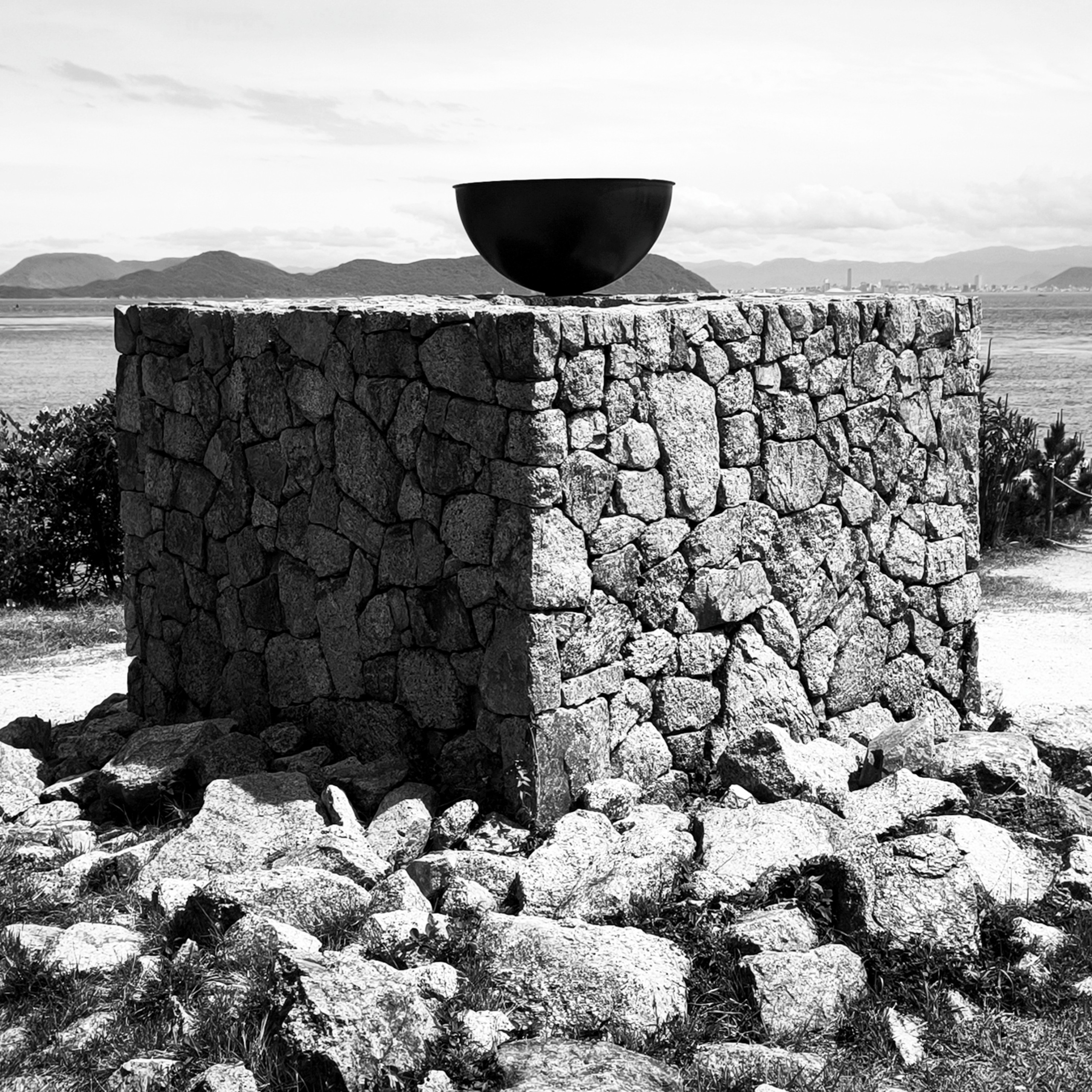
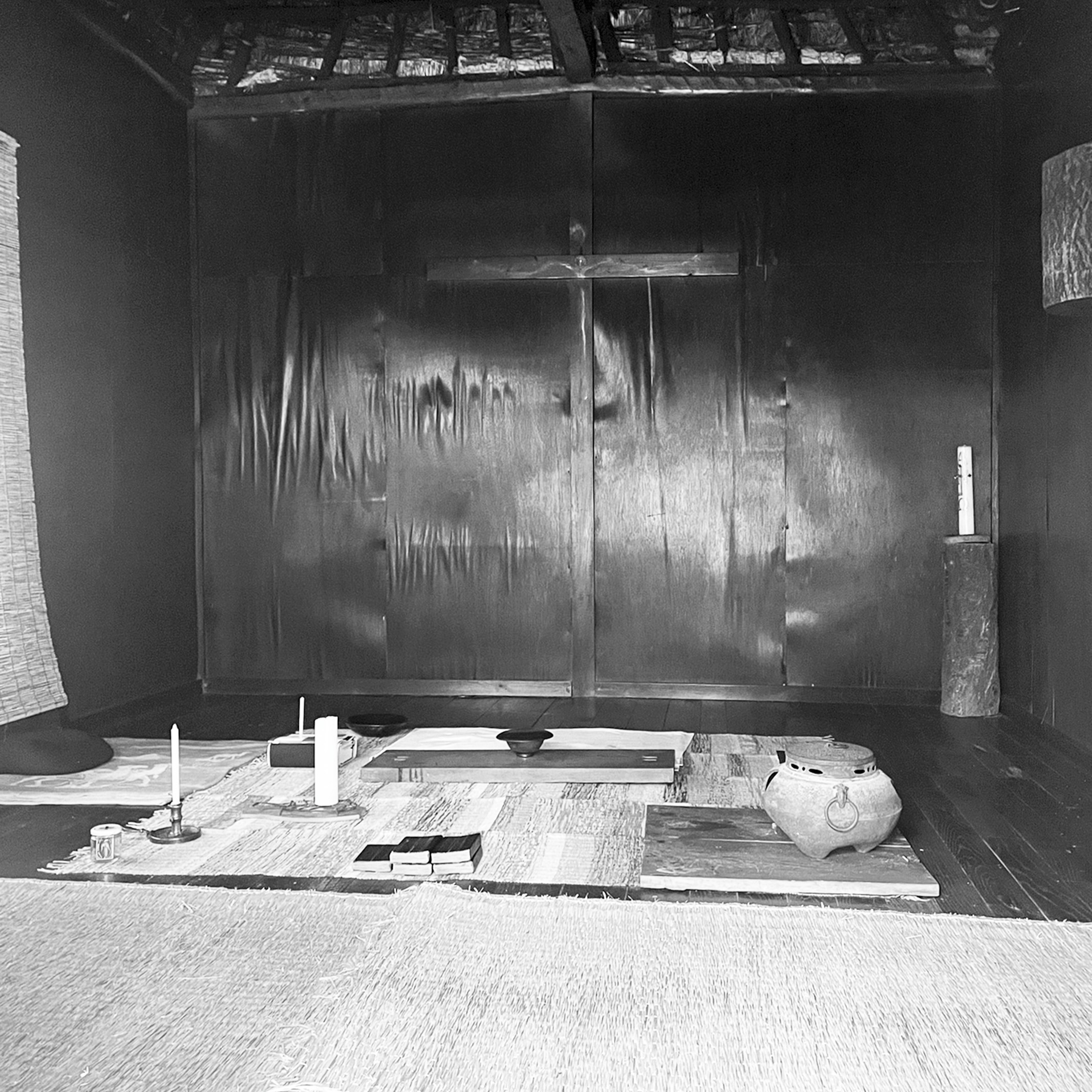
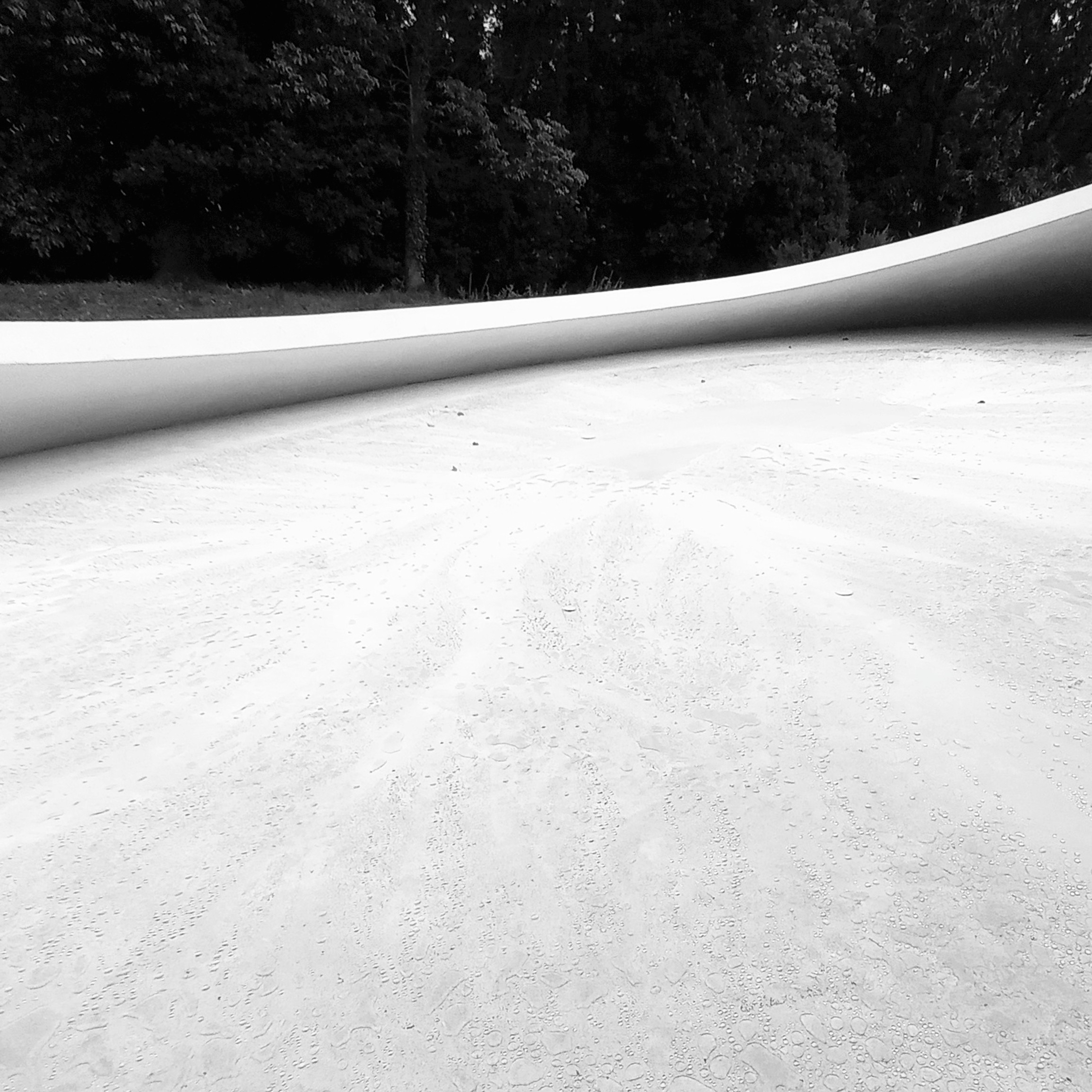
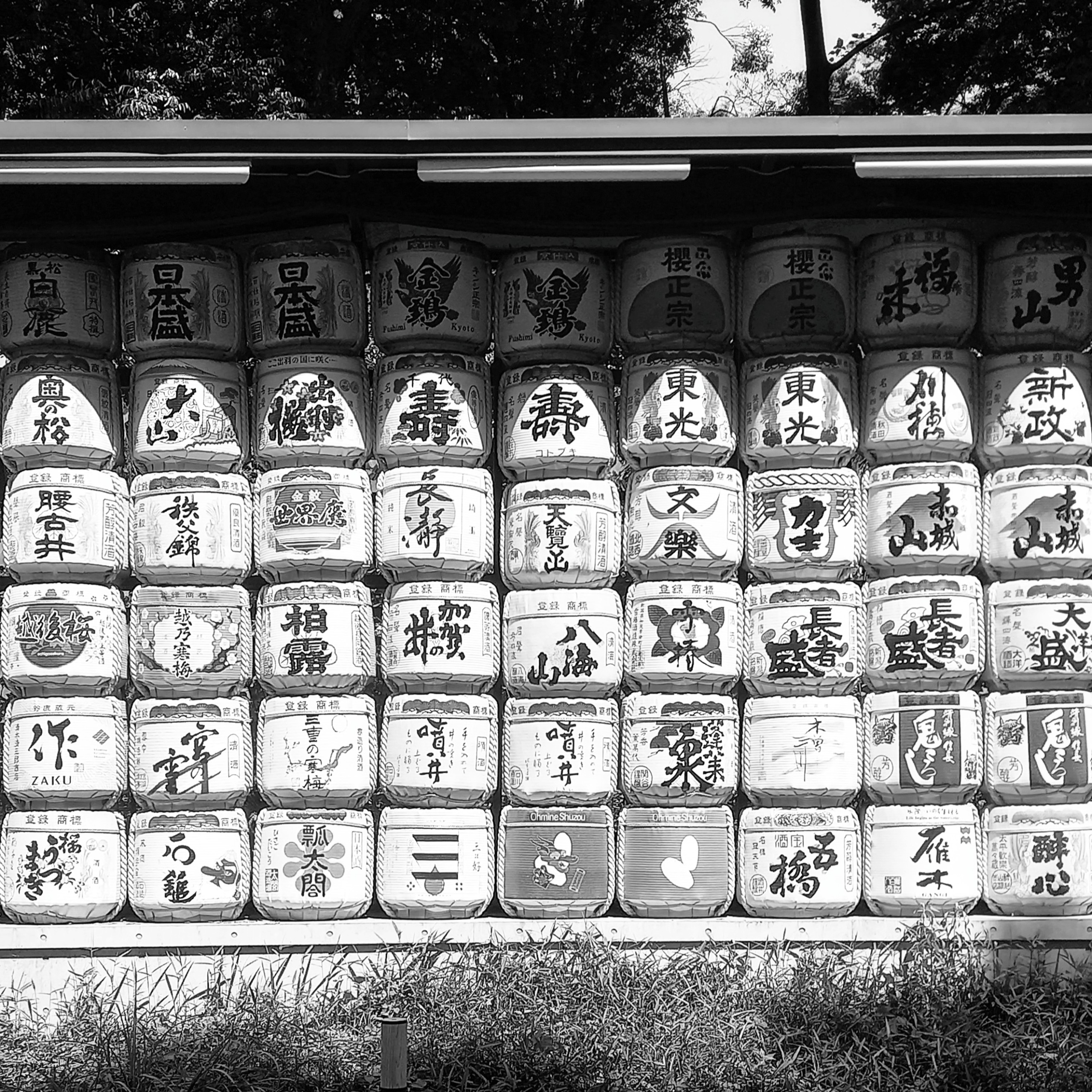
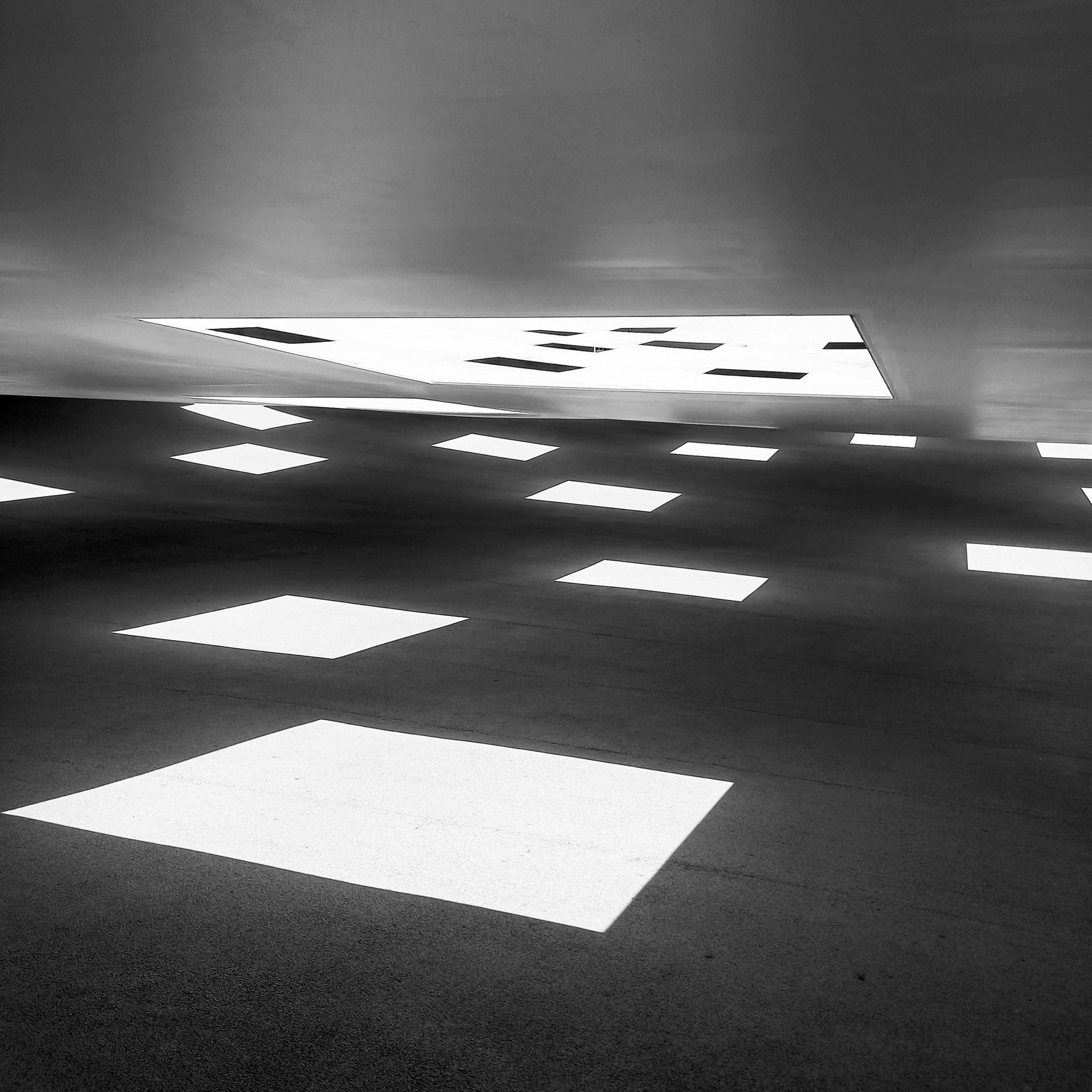
Daguerreotypes and photograms by Ondřej Přibyl
This issue of Salve is accompanied by photographs of the well-known Czech artist Ondřej Přibyl, created by a historical process called daguerreotype, which produces only one original photographic image. Přibyl himself says: “The daguerreotype plate was physically present at the place of photography, in a form of contact with what is captured on it, and is by definition only one, without the possibility of multiplication. It is important for me to have an idea of what took place during the usually quite ong exposure time…”