





Rudolf Rosa
What is artificial intelligence (AI) and how it works
The study focuses on language models and how they work (generative language models, n-gram language models, neural language models). It then goes on to explain what machine learning is and how it works, of which language models are probably the best-known example today. Understanding how AI works leads to the realization that all machine learning, including language models, is based on available data and that considering what data a given model was trained on can greatly help us understand how the model behaves. This then reveals the positive and negative aspects of the technology and calls on users to work with it appropriately.
Jiří A. Dosoudil – František Štěch
In the Ministry of Truth and Humanity
AI and New Technologies from the Perspective of the Roman Catholic Church
This study presents how the Roman Catholic Church views artificial intelligence and new technologies in relation to its tradition of reflecting on the relationship between humanity, culture, and technology. It does not reject innovation, but distinguishes between its anthropological and spiritual consequences. The dignity of the human person, criticism of the technocratic paradigm, and the demand for truthful communication are at the forefront. The Church emphasizes regulation, protection of the vulnerable, and support for critical thinking. It understands AI as an ambivalent tool that should serve humanity, truth, and the common welfare.
Gernot Meier
Liaison Dangereuse and Alliance of the Future
Digital literacy as a strategic field in practical theology, or: It’s necessary not to stay in Eden
This article examines the growing importance of direct interactions with AI systems and the accompanying trend towards anthropomorphization. The focus is on current developments – particularly in the field of autonomous AI agents – and their potential to fundamentally change human-machine interaction. This dynamic raise not only technical questions, but above all anthropological and ethical-theological ones: What does it mean to be human when identity, physicality and otherness are renegotiated in digital spaces of action? The text clearly rejects a mere “denaturalization” of humans as a defensive reaction and instead emphasizes the task of shaping the future: theology, especially in adult education and pastoral care, is called upon to develop normative orientations, clarify concepts of responsibility and open up spaces for a reflective engagement with AI.
Marius Dorobantu
Artificial Intelligence and Christianity
Friends or Foes?
The author explores the various trajectories of Christian reflection on current and potential developments in artificial intelligence (AI). It reviews the theological questions generated by the emergence of intelligent machines and explores some of the most interesting solutions proposed in response to these quandaries. The first part is dedicated to inquiries about hypothetical AI developments and their potential implications for Christian theology. Could intelligent machines become authentic selves? If so, could they also partake in the image of God? Could the Christian imaginary envisage a future where robots develop their own religiosity and robotheologies? Could robots also aspire to be saved? The second section adopts a theological anthropological angle of inquiry, considering how insights gained from AI may contribute to refining this approach. What do our fascination with AI and our deep desire to create an intelligent other reveal about human nature? How would our theological self-understanding change if intelligent machines became ubiquitous?
It’s not good to bury your head in the sand and wait to see how things turn out
Interview with Petr Koubský
This interview with the respected Czech journalist and editor of Deník N, who is one of the leading Czech authorities on artificial intelligence, focuses on the impact of AI on society, including its impact on journalism, the labour market, and human communication, as well as the ethical challenges brought about by rapid advances in artificial intelligence.
Larissa Bolte – Aimee van Wynsberghe
Sustainable AI and the third wave of AI ethics: a structural turn
With the introduction of the concept of Sustainable AI, considerations of the environmental impact of the technology have begun to enter AI ethics discussions. This, Aimee van Wynsberghe suggests, constitutes a new “third wave of AI ethics” which yet needs to be ushered in. In this paper, we ask what is entailed by Sustainable AI that should warrant such special accentuation. Do we find simply run-of-the-mill AI ethics applied to an environmental context? Or does Sustainable AI constitute a true a “game-changer”? We engage in a discussion about what the “waves of AI ethics” ought to mean and the criteria for labelling a wave as such. We argue that the third wave of AI ethics rests on a turn towards a structural approach for uncovering ethical issues on a broader scale, often paired with an analysis of power structures that prevent the uncovering of these issues.
Gábor L. Ambrus
Free Will versus Prediction
The Case of Artificial Intelligence and Greek Tragedy
This article explores the possibility and circumstances of human freedom in two very different contexts which are nevertheless comparable in the crucial importance they attach to the ways of predicting the future: on the one hand, Greek tragedy in which the religious practice of consulting oracles plays a prominent role and, on the other hand, the contemporary online environment which draws decisively on artificial intelligence and its algorithms of predictive analytics. It is the manner and subject of prediction in the two respective contexts, rather than their metaphysical underpinnings, that proves to be pivotal to the question of human freedom in one and the other with very different consequences. Although “fate” in Greek tragedy and a “deterministic process” or “chance” on the current internet are all more adverse to human freedom than not, Ancient Greek oracles in their unity with fate and in their promoting lifelong “deliberation” on the part of their addressees are more conducive to human freedom than the predictive analytics of artificial intelligence in its focus on the probabilities of “choice”. Accordingly, deliberation as thoughtful consideration is a more crucial mark of human freedom than “free will” in “having a choice”.
Kateřina Hlaváčová
AI Demonology in the Context of Christian Eschatology
This article focuses on demonological interpretations of artificial intelligence in the context of Christian eschatology, with an emphasis on evangelical and popular theological discourses. The growing integration of artificial intelligence into everyday life in contemporary society is becoming a catalyst for the revival of traditional fears of evil, which are projected onto modern technologies. The article traces the historical continuity of the interpretation of complex technological systems as supposed tools or material manifestations of demonic entities, and examines specific manifestations of these fears in the online environment.
Gemma Serrano
Questioned Cloisters
The Digital World and Consecrated Life
This philosophical essay leads to reflections on how digital technology encounters or clashes with the religious world, specifically expressed through the concept of cloistered life. The article focuses on a number of typologies of relationships between the digital world and the cloistered life of religious orders and is based on the encyclicals of Popes John Paul II, Benedict XVI, and Francis, their messages for World Communications Day, and Pope Francis’ message for World Peace Day in January 2024. It presents three basic types of approaches: Digital objects are neutral, their significance relates to their good or bad use; The danger is not in the thing itself, the danger is in human weakness; Digital objects are not neutral, the culture that produces them is contrary to the Gospel. He concludes that the digital environment cannot be understood merely as a tool for use or orientation, because it is the space in which we live every day. This environmental concept offers a different way of theologically examining digital technologies and approaching technical objects, nature, and culture. The cloistered space is thus one of the places where these ways of dwelling in accordance with this expectation can be realized.
Stare for ten minutes
Interview with Petr Stibral
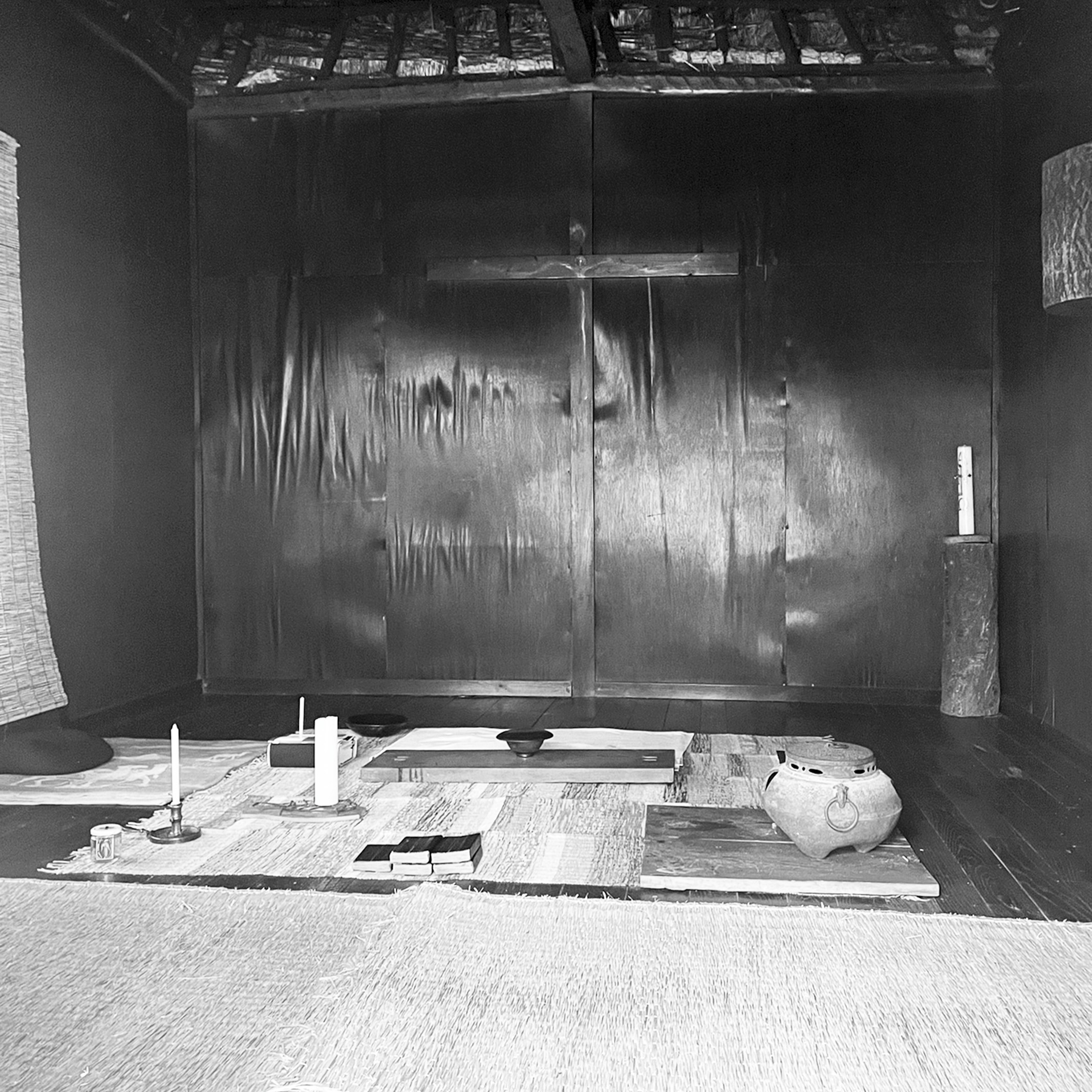
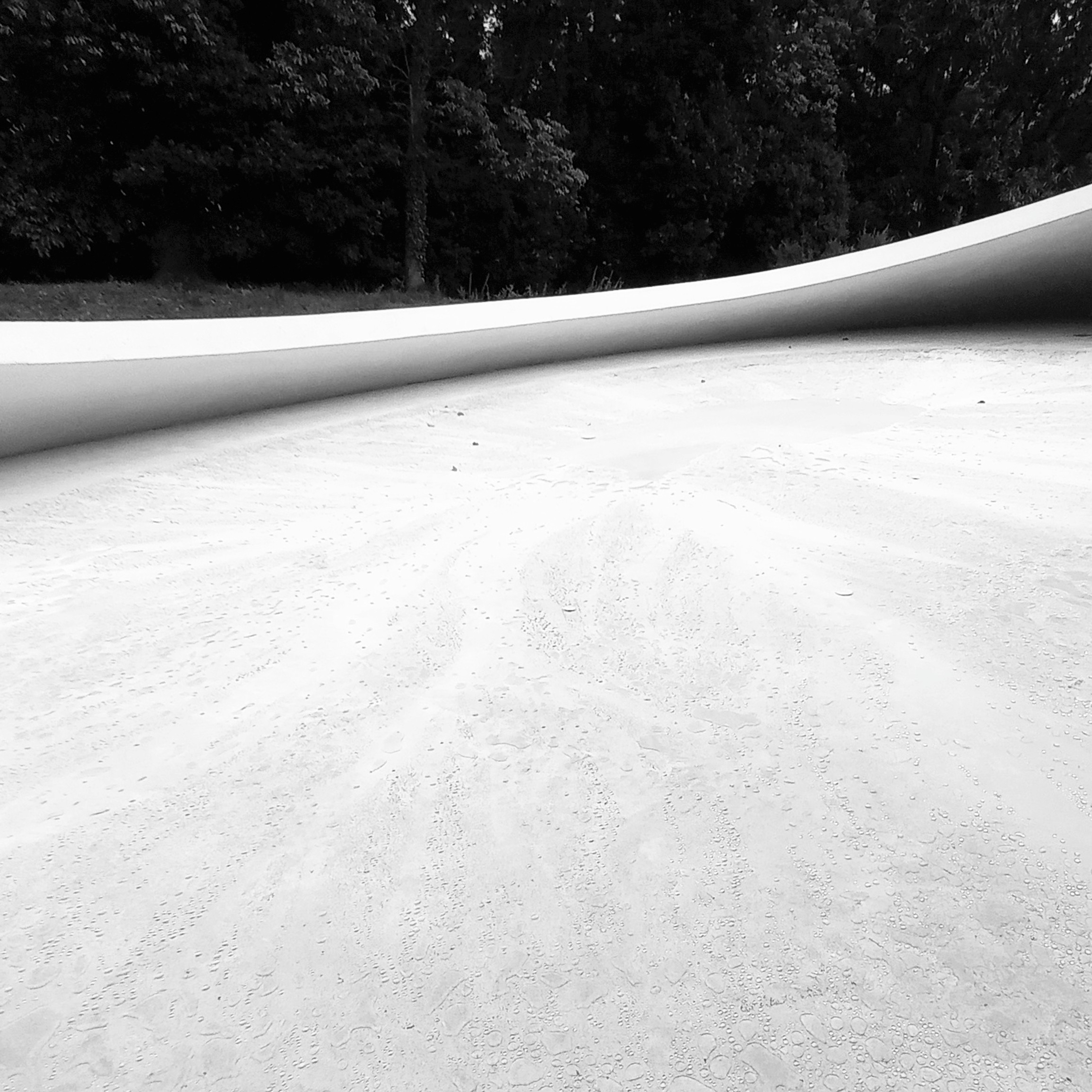
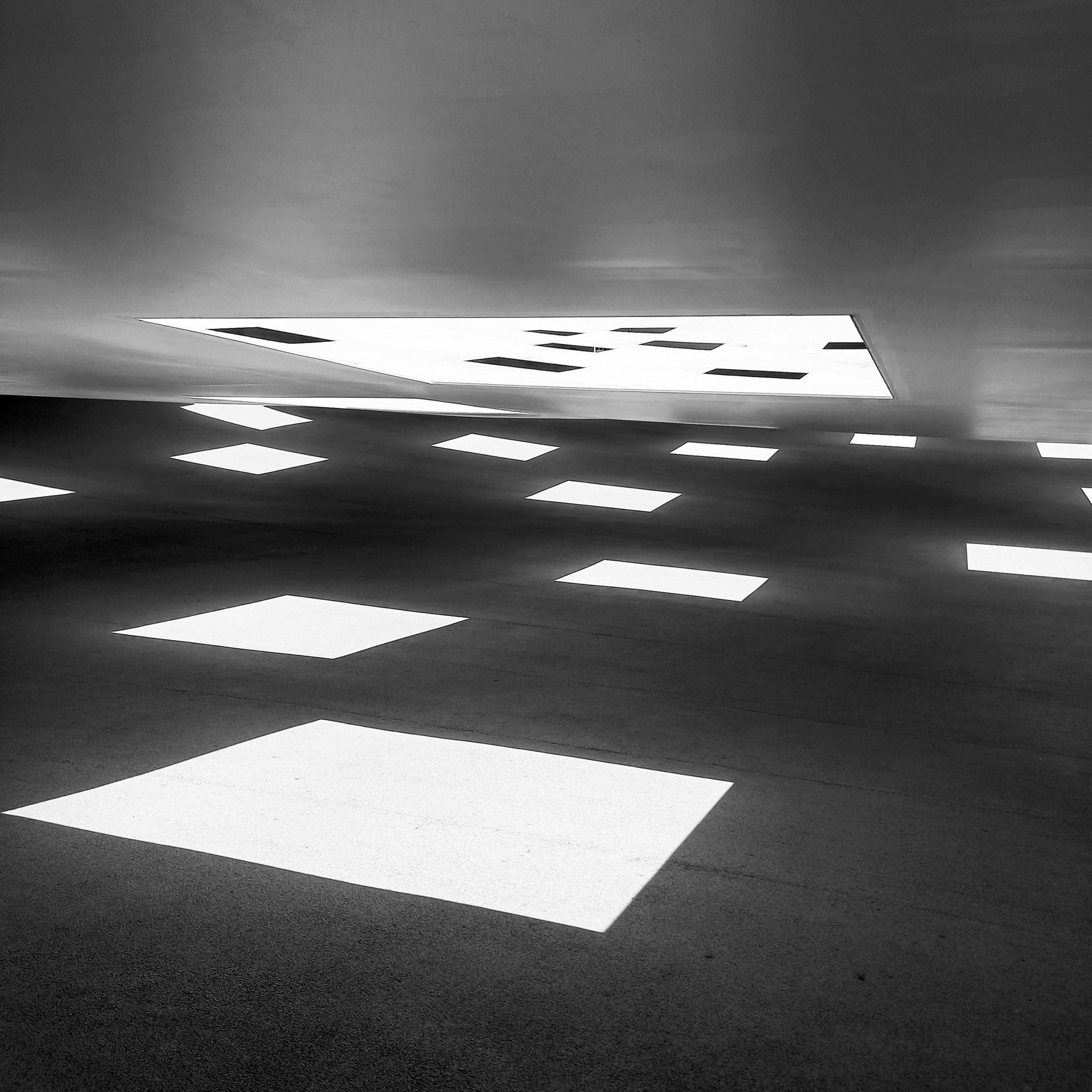
As a contrast to our theme and a reminder of how important it is not to lose ourselves in the virtual world of algorithms and artificial intelligence, we can view the images accompanying this issue, which show selected objects by the czech sculptor Petr Stibral. Above all, his poetic “forest works,” including the latest one from this fall entitled “Stare for ten minutes,” help us to slow down, concentrate, become aware of our own bodily existence, and intensify our experience of concrete, physical reality. In 2025, Petr Stibral won the site-specific art competition Sign and Landscape, organized annually by the Benetheo Foundation, with the mentioned project. Norbert Schmidt prepared an interview with the artist, which highlights his approach to his work.